
NGOs Eastern AfricaNon-profit directory website
A comprehensive directory platform for NGOs and businesses in Eastern Africa. Built by Microstation for a client in Eastern Africa.
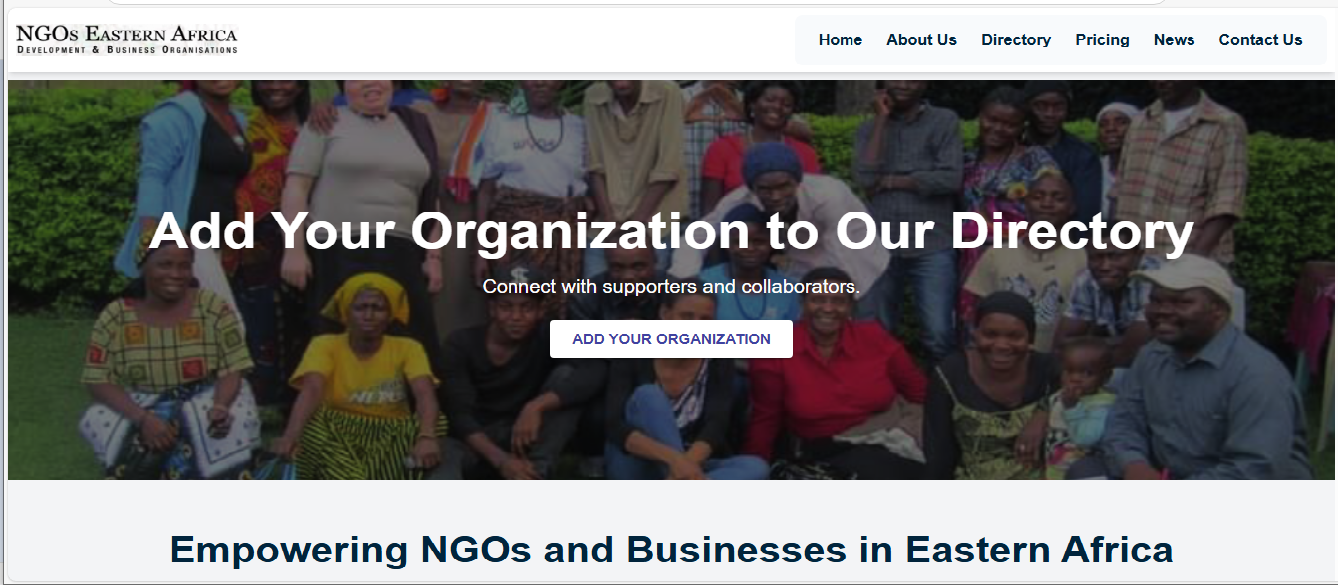
The brief
A directory lives or dies on structure. NGOs Eastern Africa needed a platform that could hold a growing list of organisations and sectors without turning into a maze for the people using it.
The build had to stay fast as the dataset grew, and stay useful for visitors arriving from a search engine straight into a single listing.
What we built
The decisions that shaped this non-profit directory website.
Directory structure
Organisation and sector listings organised into a hierarchy that holds a large, growing dataset without becoming unnavigable.
Reusable interface
A component library on Material UI so listing and card layouts stay consistent as new categories are added.
Fast browsing
Next.js rendering keeps pages quick to reach, including from a mid-range phone on mobile data.
Technology used
We choose the stack per project. The goal is always the same: a site that loads fast, can be found on Google, and is still easy to maintain years later.
What we focused on
- Scalable directory data structure
- Consistent listing and card components
- Responsive layout for every screen size
- SEO fundamentals for listing pages
Non-profit directory website questions
The questions buyers of non-profit directory websites ask most, answered the way Microstation answers them.
Directory and listing platforms are quoted per project, because the cost follows the data model, the number of listing types and the features you need — search, categories, organisation pages, submission or claim flows. Microstation provides an itemised proposal after a scoping call.
A component-based interface and a data structure built for growth: organisations, sectors and locations modelled so new categories can be added without redesigning pages. That structure is what keeps the platform navigable and fast as the dataset grows from dozens of listings to thousands.
Next.js rendering keeps pages quick to reach even on a mid-range phone, and the listing and card components stay consistent as categories are added. Performance is planned from the first build rather than fixed later, because a slow directory loses visitors at exactly the moment it should be winning them.
Submission, claim and moderation flows can be built into the platform — how much automation versus manual curation you want is a scoping decision we agree in the proposal. The directory in this case study was structured so the organisation behind it can grow its listing set without rebuilding the site.
More website projects
Need a website like this?
Tell us what your business needs. You will get an honest recommendation and an itemised quote — no obligation, no jargon.